
Polynucleotides

Polynucleotides are regenerative treatments that support the skin’s natural repair processes, encouraging gradual and natural improvement. Adam provides them for clients from Cheadle, Cheadle Hulme and across South Manchester from his clinic on Stockport Road.
All treatments carried out by
Adam Williams
MSc Adam holds a master’s degree in Advanced Clinical Practice. V300 Independent Prescriber — Adam is qualified to independently prescribe medications. RN Registered Nurse — Adam is a fully registered nurse with the Nursing and Midwifery Council.
ALT
Polynucleotide skin regeneration treatment

What polynucleotides do

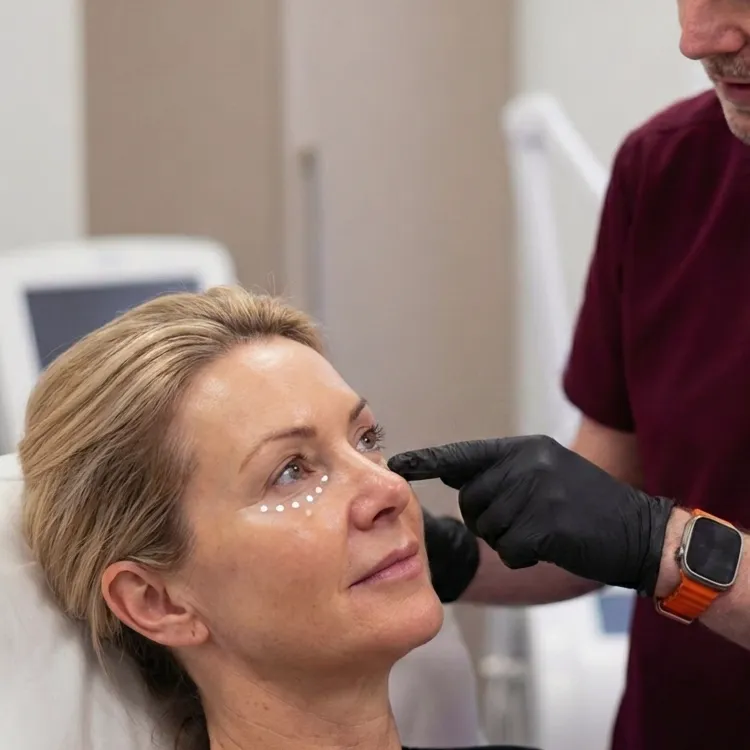
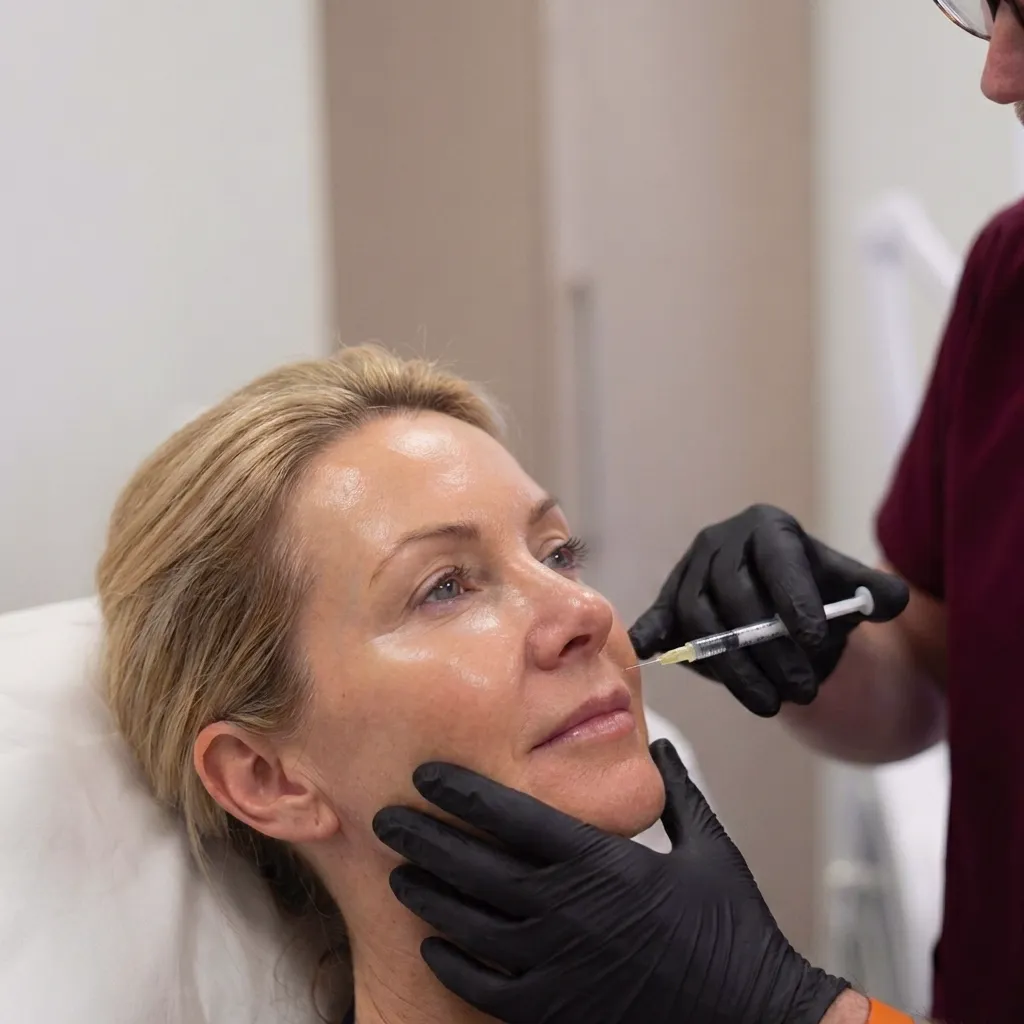
Polynucleotides work by supporting the skin’s ability to repair and renew itself. They are often used in delicate areas such as under the eyes, as well as across the face, neck, and hands.

Rather than adding volume or altering movement, they improve the condition of the skin over time. Adam carefully selects treatment areas based on where your skin will benefit most, using his understanding of skin health to guide each decision.

What results to expect

Results develop gradually, with improvements in texture, elasticity, and overall skin quality becoming more noticeable over a series of treatments.

Polynucleotide FAQs

What are polynucleotides?

Polynucleotides are highly purified DNA fragments derived from salmon or trout, suspended in a clear gel and injected into the skin. They are used as a regenerative treatment intended to support skin quality rather than to add volume.

How do polynucleotides work?

Once placed into the skin, they are thought to support fibroblast activity, hydration and the skin’s own repair processes. Rather than filling a line, the aim is to improve overall tone, texture and resilience over time.

What can they help with?

They are often considered for dull or dehydrated skin, fine lines, early laxity and crepey texture, including on delicate areas such as under the eyes and around the mouth. Suitability is reviewed individually at consultation.

Are polynucleotides the same as filler?

No — they are not designed to add volume or contour. Think of fillers as structural support and polynucleotides as a treatment focused on improving the quality of the skin itself.

How many sessions will I need?

An initial course is typically two to three sessions, spaced around two to four weeks apart. Adam will tailor the plan based on your skin and the area being treated.

When will I notice a difference?

Most people start to see changes in tone and quality from a few weeks after the second session, with continued refinement over the following two to three months. Results vary between individuals.

Is the treatment painful?

A topical numbing cream is applied beforehand, and most clients describe the injections as small pinches. Around the eyes, a fine cannula is often preferred for added comfort.

What is the downtime?

Small raised bumps at the injection points are normal and usually settle within twenty-four to forty-eight hours. Mild redness or bruising can occur, and we suggest avoiding heat, alcohol and strenuous exercise for the first day.

Are they suitable for everyone?

Because the active ingredient is derived from fish, they are not suitable for vegans, vegetarians, or anyone with a fish or shellfish allergy. They are also not used during pregnancy or breastfeeding.

How long do results last?

After a full course, many clients enjoy the benefits for around six to twelve months, with a single top-up session each year as maintenance. As with all aesthetic treatments, individual response varies.

Genuinely caring, and trusted in his field

Adam is highly skilled in his profession and is so caring, talented and an expert in his field.

Rachel R. — 2022

Book a consultation

Adam can advise whether polynucleotides are suitable for you and guide you through what to expect from treatment.